MIVAN Technology vs. Traditional Construction: Why it Matters for Nambiar Phase 2
 Quick Summary
Phase 2 of Nambiar District 25 on Sarjapur Road employs MIVAN aluminium formwork technology, a significant departure from the conventional brick-and-plaster construction used in most residential projects across Bangalore. This engineering choice directly impacts wall quality, structural durability, construction speed, and long-term maintenance costs. Here is a detailed comparison of what MIVAN brings to the table and why it matters for buyers.
The Technical Shift
MIVAN technology uses precision-engineered aluminium formwork panels to cast walls, slabs, and columns as a single monolithic concrete structure. Unlike traditional construction where bricks are laid, plastered, and then finished, MIVAN produces walls that are structurally integrated with the building frame from the moment the concrete sets. Three technical advantages define this shift:
- Seismic Resistance: Because the walls are cast as part of the structural frame rather than filled in afterwards, MIVAN buildings behave as a unified load-bearing system during seismic events. The monolithic pour eliminates the weak joints between columns and infill walls that are the primary failure points in traditional construction during earthquakes.
- Zero-Shared-Wall Acoustic Leakage: Traditional brick walls with plaster coats often develop micro-cracks at mortar joints over time, which transmit sound between units. MIVAN's continuous concrete pour creates a denser, more uniform wall mass that significantly reduces sound transmission between adjacent apartments, a quality-of-life factor that buyers rarely think about until they move in.
- Leak-Proof Walls: Water seepage through external walls is one of the most common post-possession complaints in Bangalore apartments, especially during heavy monsoon seasons. MIVAN walls, being cast without joints or mortar lines, eliminate the primary pathways through which water infiltrates. The result is a wall system that is inherently more resistant to dampness and seepage from day one.
MIVAN vs. Traditional Construction: Head-to-Head Comparison
| Parameter | Traditional (Brick + Plaster) | MIVAN (Aluminium Formwork) |
|---|---|---|
| Wall Finish | Requires multiple plaster coats, prone to unevenness | Smooth concrete finish, ready for paint with minimal prep |
| Durability | Mortar joints weaken over decades, prone to cracking | Monolithic structure with no joints, 50+ year structural integrity |
| Construction Speed | 7-10 days per floor cycle | 4-5 days per floor cycle |
| Carpet Area Efficiency | Thicker walls (200-230mm) reduce usable space | Thinner walls (150-160mm) deliver higher carpet area ratio |
| Seepage Risk | High, especially at wall-slab junctions and mortar lines | Minimal, no joints or mortar pathways for water ingress |
The Smooth Finish Benefit
One of the most immediately visible advantages of MIVAN construction is wall finish quality. Traditional brick walls require at least two coats of plaster, sanding, and priming before they are ready for paint. Even then, uneven patches are common and often show through within a few years. MIVAN walls come out of the formwork with a smooth, consistent surface that needs minimal preparation before painting. For buyers doing interior fit-outs, this translates to lower finishing costs, faster move-in timelines, and walls that look better for longer. It also means fewer callbacks for plaster repairs during the defect liability period, which is a common pain point with traditional construction.
Inside Scoop: Timeline Guarantee
The MIVAN process at Nambiar District 25 Phase 2 enables a significantly faster construction cycle, with each floor completed in roughly 4-5 days compared to 7-10 days with traditional methods. This speed advantage is one of the key factors behind the RERA-declared possession timeline of approximately September 2030 for Phase 2 towers. The developer's confidence in meeting this timeline rests substantially on the predictability and repeatability of the MIVAN process, which reduces weather delays and labour variability that plague conventional construction schedules.
Frequently Asked Questions
Q. Can MIVAN walls be modified after construction for electrical or plumbing changes?
MIVAN walls are reinforced concrete, so cutting channels (chasing) for new electrical or plumbing lines requires specialised tools and should be done carefully to avoid damaging reinforcement bars. However, all primary electrical conduits and plumbing lines are embedded during the casting process, so the standard layout is built in from the start. Minor modifications are possible but should be planned with a structural consultant.
Q. Does MIVAN technology cost more than traditional construction?
The formwork itself has a higher upfront cost, but MIVAN saves significantly on labour, plastering materials, and construction time. The net cost impact on the buyer's unit price is marginal, while the quality and durability benefits are substantial. In large-scale projects like Nambiar District 25, the economies of scale with MIVAN formwork reuse across multiple towers make it a cost-effective choice overall.
Q. Is MIVAN construction proven in Bangalore's climate conditions?
Yes. MIVAN technology has been used extensively in large-scale residential and commercial projects across India, including in Bangalore's tropical climate. The monolithic concrete structure performs well in both hot and wet conditions, and the absence of mortar joints eliminates the most common climate-related deterioration pathways seen in traditional brick construction.
Related pages
Best Prelaunch Projects In East Bangalore For 2025
Nambiar District 25 Buyer Guide: Docs, Pricing, Possession (2025)

Nambiar District 25 Completion Date: Official RERA Timeline
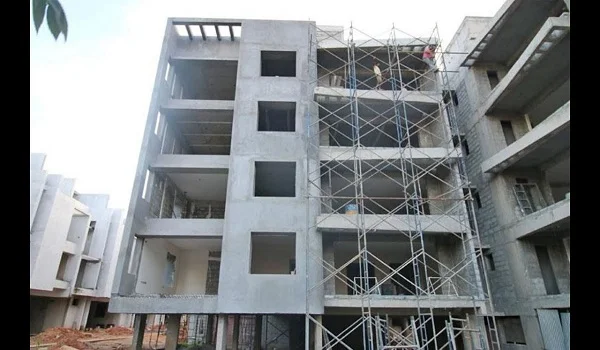
Nambiar District 25 Construction Status Tracker

Nambiar District 25 Launch Date
Nambiar District 25 Construction Tech & Safety

Nambiar District 25 Phase 2 RERA Guide: PR/200825/008011 Details

Nambiar Pre-Launch Projects In Bangalore 2025

New Launch Projects in Bangalore 2025

Nambiar District 25 New Launch

Nambiar District 25 Possession Date