
Live Among 3,500 Trees: Nambiar District 25 Revives The Garden City's Green Charm
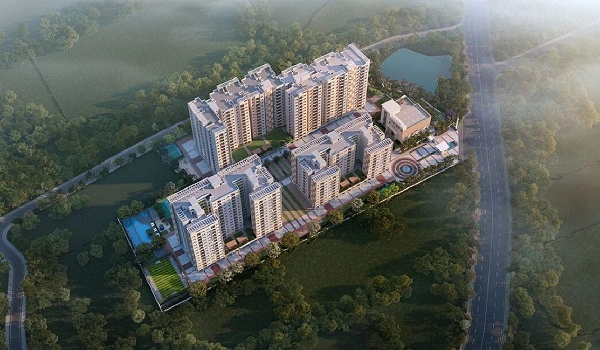
Living among 3,500 trees at Nambiar District 25 means choosing a home designed around mature green cover and daily nature, not the other way around. Set on Sarjapur Road, the township blends city convenience with a calm, leafy setting so residents can breathe cleaner air, hear birdsong, and enjoy shade-filled streets on ordinary days.
What "live among 3,500 trees" really means
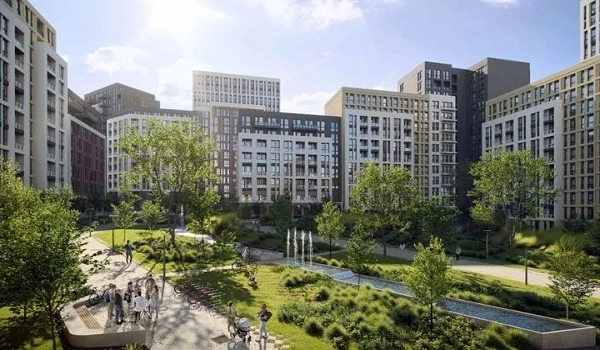
This phrase describes a master plan where trees and landscape are the starting point. Streets curve around existing groves. Paths, seating courts, and play lawns tuck between canopies. You are not just near a park. You are inside a continuous green system that touches doorsteps, podiums, and amenity zones.
Why it matters:
- Cleaner air: Trees trap dust and absorb pollutants, improving everyday breathing quality.
- Cooler microclimate: Canopies lower heat gain, so evenings feel pleasant even in summer.
- Mental well-being: Green views reduce stress and screen time fatigue.
- Safer play: Shade and soft surfaces encourage outdoor time for kids and seniors.
Location and connectivity that still keep you close to work
Nambiar District 25 sits on the fast-growing Sarjapur Road belt with easy reach to job hubs and schools.
- Employment access: Quick drives to Wipro SEZ at Kodathi, RGA Tech Park in Doddakannelli, and the ORR tech cluster at Bellandur to Marathahalli.
- Across the city: Whitefield and Electronic City are practical commutes by ORR, Hosa Road, and NICE links.
- Rail and metro layers: Karmelaram railway halt improves cross-city options. The proposed SarjapurHebbal metro corridor is planned to strengthen long trips over the medium term.
- Everyday life: Supermarkets, cafes, and neighborhood services are close, so errands stay short.
Planning and design: a green framework first
The township plan treats landscape as essential infrastructure, not decor.
- High open space ratio: Large stretches of lawns, groves, and pocket parks help air flow and light.
- Walk and cycle priority: A long, looping track supports running, cycling, and evening strolls without mixing with fast traffic.
- Street comfort: Tree-lined internal roads add shade, reduce glare, and keep noise levels in check.
This approach protects privacy, improves cross ventilation, and lets towers enjoy better daylight.
Lifestyle and clubhouse: social life in one address
Beyond green cover, residents get a full set of lifestyle facilities inside the gate.
- Clubhouse scale: A large clubhouse footprint brings pools, indoor games, work pods, and multipurpose halls together.
- Sports and fitness: Courts for the regulars, open lawns for weekend cricket, and quiet corners for yoga.
- Retail spine: Daily needs, coffee, and convenience stores along a pedestrian-friendly stretch mean fewer trips outside.
- Community rhythm: Events and hobby groups keep weekends engaging without long drives.
Families who value routine, safety, and time together tend to settle into a predictable, healthy rhythm here.
Homes that fit real life
Apartments are planned with practical square footage, efficient layouts, and good natural light. With only a few homes per floor and multiple elevators, waits stay short. Balconies face landscape courts or long views, so even a tea break feels like a pause in nature.
Who it suits:
- Young families who want schools within a short drive and parks at the doorstep.
- Professionals who split time between ORR and Electronic City and need a quiet base.
- Active seniors who value shaded paths, benches, and medical access nearby.
Value and long-term outlook
Green planning is not just a feel-good story. It is a value story.
- Durability: Better airflow and shade reduce wear on finishes and cut cooling loads.
- Rentability: Leafy views and walkable amenities attract tenants and reduce vacancy.
- Resale confidence: Township scale, brand pedigree, and upkeep standards protect value through market cycles.
- Future layers: As city mobility improves, a well-planned green township on a major corridor tends to hold demand.
How it compares to typical city living
Many projects squeeze towers first, then add token gardens. Here, trees and open space lead the plan. That single shift changes everyday life: less glare, less heat, more time outdoors, and a steadier pace after work.
Quick FAQs
Is it only about trees?
No. Trees anchor a complete plan that includes sports, a big clubhouse, retail, and safe internal streets.
Will the location work for daily commute?
Yes. You sit near job clusters and have multiple route choices. As rail and metro layers deepen, cross-city trips should get smoother.
Are there homes for different budgets?
Configuration options span practical 2 BHKs to larger 3 and 4 BHKs. Ticket sizes vary by tower, view, and possession window.
Is this a good long-hold choice?
For buyers who value healthy surroundings and stable upkeep, a large, green township on Sarjapur Road is a sound long-term pick.
What I need from you to tailor this further
- Your budget band and preferred BHK size
- Move-in timeline and comfort with under-construction phases
- Daily commute nodes and school preferences
- Must-have amenities or views
- Interest in township living vs a smaller stand-alone community
If you want, I can turn this into a side-by-side comparison with nearby options on Sarjapur Road so you can see price bands, distances, and possession timelines at a glance.
Related pages

5 Mistakes to Avoid at Nambiar District 25, Sarjapur Road
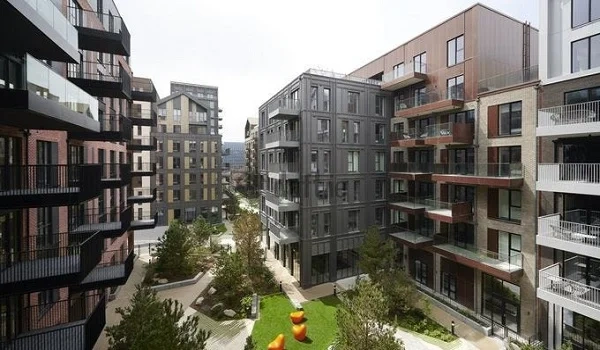
Home Loans for Nambiar District 25 2025
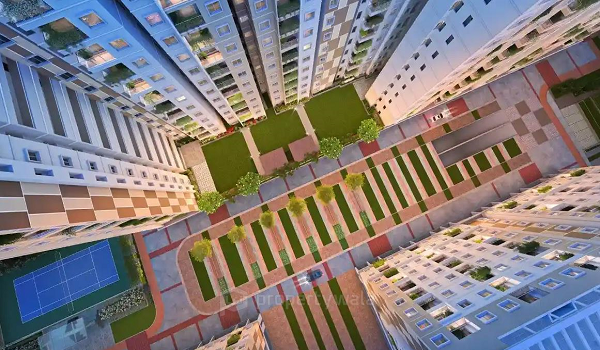
How Nambiar District 25 Boosts Kommasandra Realty
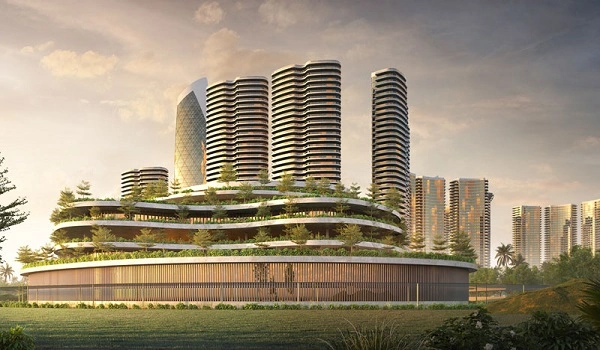
Kommasandra Real Estate Growth via Nambiar District 25
Green Living at Nambiar District 25, Sarjapur Road
Nambiar District 25 Clubhouse: 2.5 Lakh Sq-ft Amenity Guide
Is Nambiar A Good Builder
Trusted Builder in 2025? Nambiar Group Buyer Insights
Nambiar Bellezea
Nambiar District 25: Density & Core Plans on Sarjapur Road
Nambiar District 25 Green Cover: The 3,500 Native Tree Guide
Nambiar District 25 Parking & EV Readiness for Buyers
Nambiar District 25 Phase 2 vs. Phase 1: Technical Specs
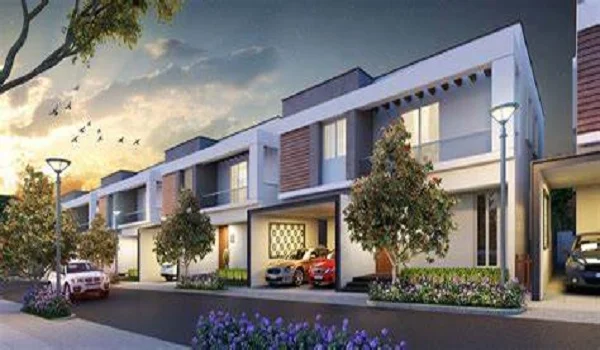
Nambiar Ellegenza
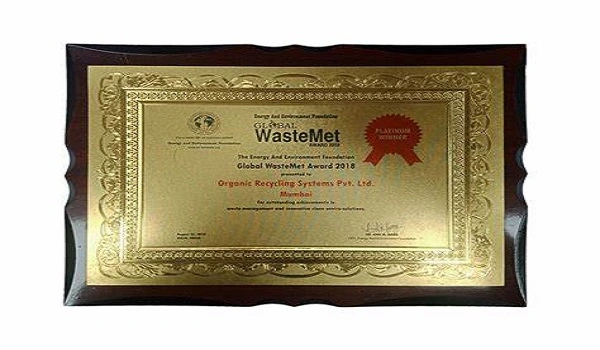
Nambiar Group Awards And Recognition
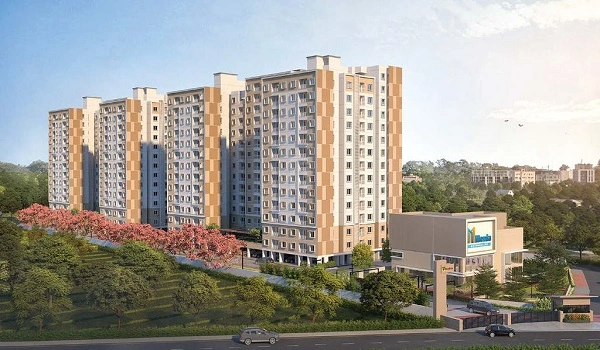
Nambiar Millenia
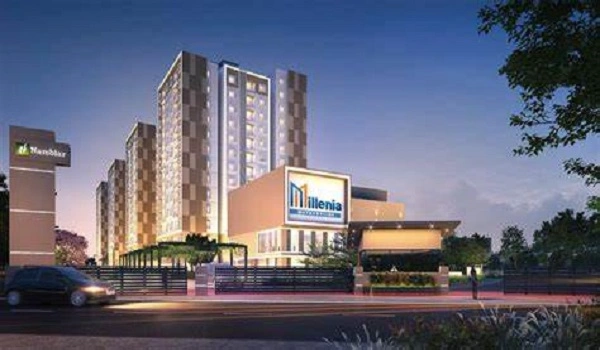
Nambiar Townpark

Top 10 Reasons to Invest in Nambiar District 25