
The 'Forest Within': A Guide to the 3,500 Native Trees at Nambiar District 25
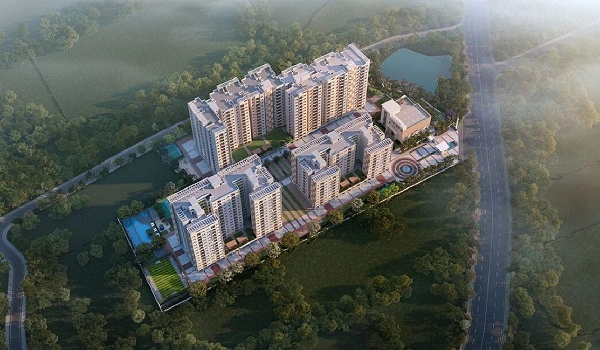 Quick Summary
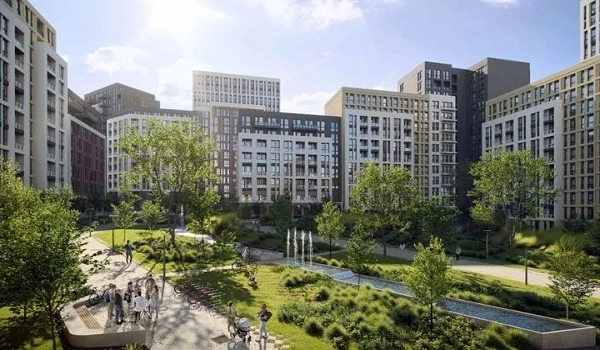
Nambiar District 25 dedicates 80% of its 200-acre campus to open space, housing over 3,500 native trees that create a measurable micro-climate effect. Internal readings suggest a 2-3°C temperature reduction compared to surrounding commercial zones along Sarjapur Road. For homebuyers who value environmental well-being alongside real estate investment, the green infrastructure here is not cosmetic; it is engineered.
Environmental ROI
Green cover in a residential township delivers returns that go beyond aesthetics. At Nambiar District 25, the environmental design is built around three measurable outcomes:
- Temperature Regulation: The 3,500+ native trees form a continuous canopy that absorbs heat and releases moisture through transpiration, reducing ambient temperatures by 2-3°C across the campus compared to exposed concrete zones nearby.
- AQI Shield: Dense native plantations act as a natural air filtration system, trapping particulate matter and dust from the Chandapura-Dommasandra corridor. Residents benefit from improved air quality within the township perimeter.
- 80% Permeable Ground: With only 20% of the land under built structures, the remaining open space allows natural groundwater recharge, reduces stormwater runoff, and supports a healthier soil ecosystem across the campus.
Native Species vs Ornamental Landscaping
Not all green cover is created equal. Here is how Nambiar District 25's native-first approach compares with typical ornamental landscaping used in most residential projects:
| Parameter | Native Species (Nambiar District 25) | Ornamental Landscaping (Typical Projects) |
|---|---|---|
| Species Count | 50+ native species | 10-15 decorative varieties |
| Water Requirement | Low (drought-adapted) | High (regular irrigation needed) |
| Biodiversity Support | High (birds, butterflies, pollinators) | Low (minimal ecosystem value) |
| Temperature Impact | 2-3°C reduction | 0.5-1°C reduction |
The Micro-Climate Effect
Nambiar District 25 uses Miyawaki-style dense plantation clusters at strategic points across the campus. These clusters grow rapidly and form multi-layered canopies that mimic natural forest structures. The result is what landscape architects call a "Cooling Corridor" - continuous shaded pathways that connect residential towers to the clubhouse, parks, and amenity zones. Residents walking through these corridors experience noticeably cooler temperatures even during peak summer months. The design ensures that green cover is not limited to peripheral buffers but is woven into the daily movement patterns of residents.
Inside Scoop
The township allocates approximately Rs. 75 per sq ft in maintenance charges, a portion of which funds dedicated arboriculture services. This includes seasonal pruning by certified arborists, soil health monitoring, pest management using bio-controls, and a tree replacement protocol that ensures the canopy count never drops below the 3,500 baseline. This is a long-term commitment to green infrastructure that most residential projects simply do not budget for.
Frequently Asked Questions
Q. What is the difference between native trees and exotic ornamental trees in a residential project?
Native trees are species that have evolved in the local climate over centuries. They require less water, support local wildlife, and are more resilient to regional weather patterns. Exotic ornamental trees may look attractive but often need intensive irrigation, are prone to local pests, and contribute minimally to the ecosystem. Nambiar District 25 prioritises native species like Neem, Pongamia, Tabebuia, and Indian Cork for exactly these reasons.
Q. Does the 80% open space figure include the clubhouse and amenity areas?
The 80% open space calculation includes landscaped gardens, tree-lined walkways, parks, water features, and the green buffers around amenity zones. The clubhouse structure itself falls within the 20% built-up footprint. However, the areas surrounding the clubhouse, including lawns, outdoor sports facilities, and seating zones, are counted as open space.
Q. How large will the trees be by 2030?
Many of the native species planted at Nambiar District 25 are fast-growing varieties. Miyawaki clusters typically reach 8-12 feet within 3-4 years and can achieve full canopy height of 20-30 feet within 8-10 years. By 2030, the campus is expected to have a mature, dense canopy that significantly exceeds what most new townships offer at the same age.
Related pages

5 Mistakes to Avoid at Nambiar District 25, Sarjapur Road
Home Loans for Nambiar District 25 2025
How Nambiar District 25 Boosts Kommasandra Realty
Kommasandra Real Estate Growth via Nambiar District 25
Green Living at Nambiar District 25, Sarjapur Road
Nambiar District 25 Clubhouse: 2.5 Lakh Sq-ft Amenity Guide
Is Nambiar A Good Builder
Trusted Builder in 2025? Nambiar Group Buyer Insights
Nambiar District 25: Live Among 3,500 Trees in Bengaluru
Nambiar Bellezea
Nambiar District 25: Density & Core Plans on Sarjapur Road
Nambiar District 25 Parking & EV Readiness for Buyers
Nambiar District 25 Phase 2 vs. Phase 1: Technical Specs
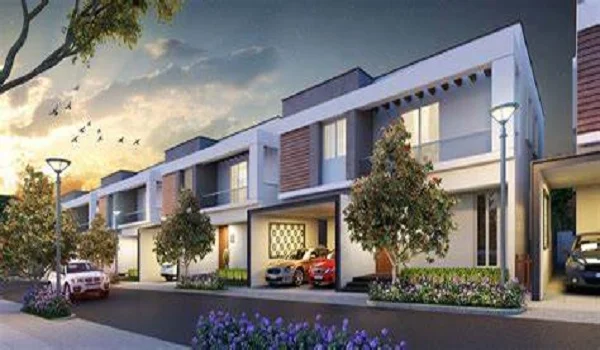
Nambiar Ellegenza
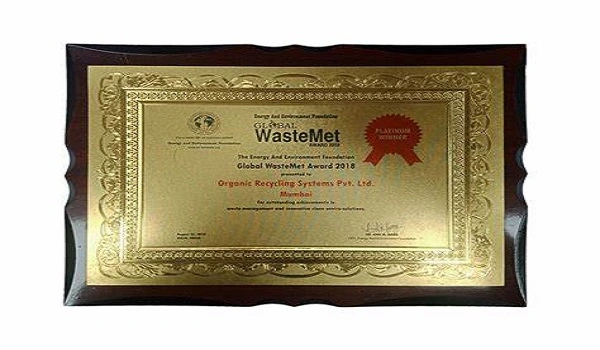
Nambiar Group Awards And Recognition
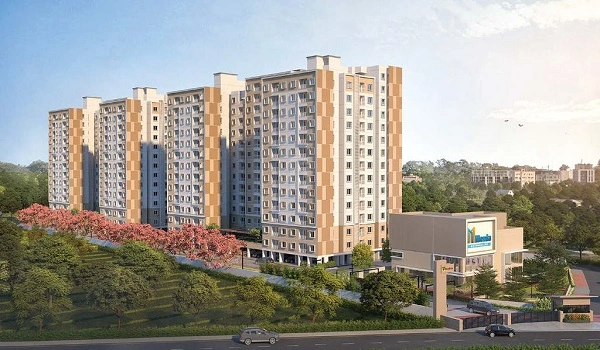
Nambiar Millenia
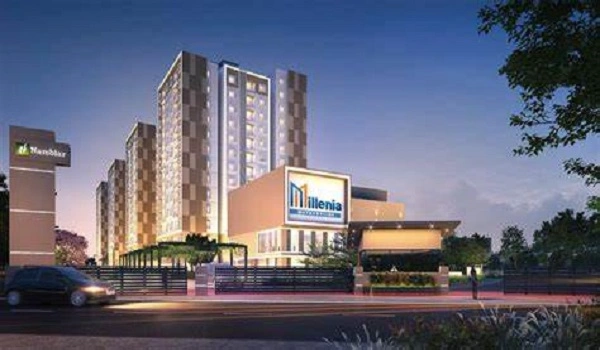
Nambiar Townpark

Top 10 Reasons to Invest in Nambiar District 25